Wollongong Council Condemns State's Flood Recovery Strategy
Wollongong City Council has launched a stinging rebuke of the New South Wales state government's handling of the aftermath from the devastating April 2024 storms. In a formal submission to a State Parliament review, the council has highlighted a significant "lack of targeted support for the most affected community".
Parliamentary Review Scrutinises Reconstruction Authority
The council's critique was directed at a parliamentary committee examining the operations of the NSW Reconstruction Authority. This committee, which convened its inaugural meeting late last year, is tasked with assessing the response to the East Coast Low weather event that wreaked havoc across the Illawarra region.
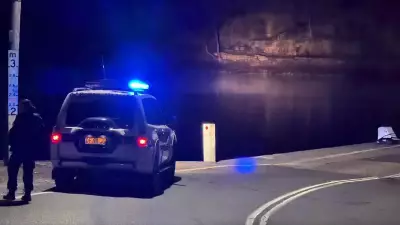
The catastrophic flooding in April 2024 saw the Illawarra battered by torrential downpours. In a terrifying deluge, some areas recorded an astonishing 250 millimetres of rainfall within a single 24-hour period. The most intense phase occurred around 5-6am on Saturday, April 6, leading to widespread destruction.

Widespread Damage and a Flawed Recovery Model
The storm's impact was severe and multifaceted:
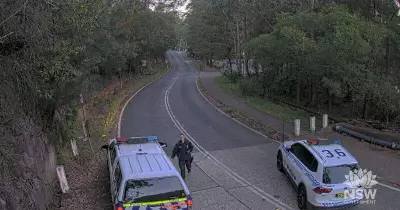
- The Princes Highway at Bulli was completely submerged underwater.
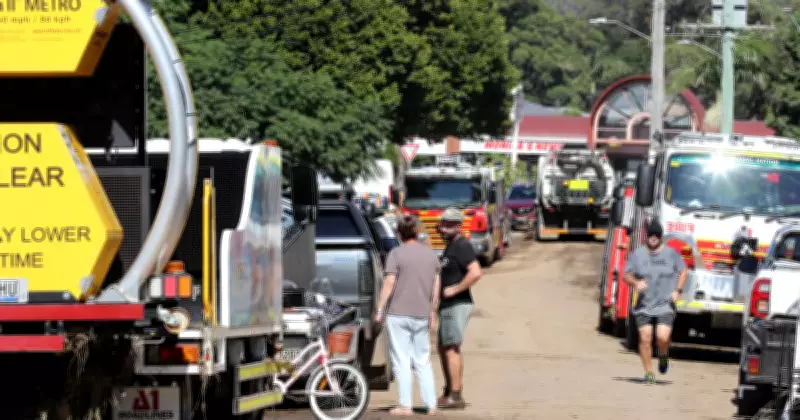
- Numerous shops in Woonona suffered significant inundation.
- Residential properties on Arrow Avenue in Figtree were hit by a powerful torrent of water rushing down the street.
In a submission authored by General Manager Greg Doyle, the council acknowledged that while a disaster declaration was promptly made and the criteria for establishing a Wollongong-specific Local Recovery Committee were met, the Reconstruction Authority opted for a broader regional recovery model.
Council argues this model "failed to reflect the disproportionate impact on Wollongong". The decision, according to the submission, had several negative consequences:
- It diluted recovery planning and actions specifically tailored to Wollongong's unique needs.
- It resulted in reduced agility when responding to local priorities and urgent requirements.
- It missed crucial opportunities to leverage Wollongong's established emergency management capabilities and pre-existing community networks.
Remote Coordination and a Call for Local Leadership
The council's document further noted that the coordination between various response agencies was conducted remotely from Goulburn, describing the process as being handled in an "informal, ad hoc way".
Despite these criticisms, the submission did concede that in the immediate days following the disaster, the authority was "timely in facilitating rapid relief" and provided extensive support to the council's executive leadership team.
A core recommendation put forward to the parliamentary committee is for the Reconstruction Authority to fundamentally prioritise local leadership in future disaster recovery efforts.
"Recovery is most effective when led at the lowest effective level, and the community is actively involved in leading efforts," the council asserted. "The Local Government sector possesses a nuanced understanding of its own communities, infrastructure and vulnerabilities. Therefore, Wollongong City Council deeply understands that local, community-led approaches ensure a greater relevance and responsiveness of recovery actions, enhanced trust and engagement with affected populations."