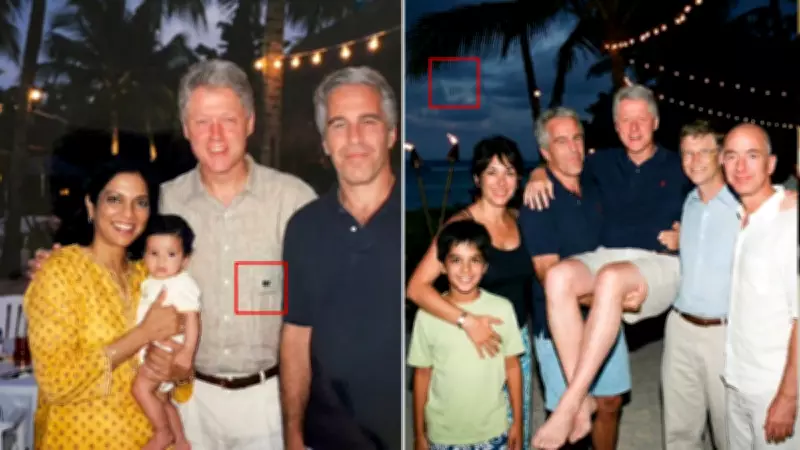
In the wake of the latest document release by the US Department of Justice, a wave of fabricated images has swept across the internet, falsely portraying New York City Mayor Zohran Mamdani as a child alongside convicted sex offender Jeffrey Epstein. These pictures have ignited widespread discussion and speculation about the mayor's background and potential connections, but there is a critical issue: the photographs are entirely fake and generated by artificial intelligence.
Social Media Flooded with AI-Generated Content
Images posted on various social media platforms appeared to show Mayor Mamdani as a young boy, accompanied by his mother, filmmaker Mira Nair, at social gatherings with Epstein. However, these visuals are not authentic and have been identified as digital creations. The photos originally surfaced from a parody account on X, known as "DFF," which included a distinctive watermark on all the AI-generated images.
The account owner even acknowledged the deception, commenting on one image by stating, "Damn you guys failed. I purposely made him a baby, which would technically make this pic 34 years old. Yikes." This admission highlights the intentional nature of the misinformation campaign.

Official Records Show No Evidence of Wrongdoing
Contrary to the implications of the fake images, the actual documents released by the Department of Justice contain only a single, minor reference to Mamdani's mother. A 2009 social email mentions her attendance at a film-related party, but there is no allegation of misconduct, no proof of any ties to Epstein, and no genuine photographs featuring her or her son in the official files.
Experts point out that these AI-generated images often include subtle watermarks or digital artifacts that can reveal their artificial origin. For instance, the physics in the images might not align correctly, or body parts may appear unnaturally positioned, serving as telltale signs of manipulation.
Additional Misinformation Circulates Online
Beyond the fake photos of the mayor, another dubious image has been making the rounds on social media. This half-redacted picture supposedly shows a baby's leg positioned between two chickens, with some users claiming it was part of the recent Epstein file release.
However, investigations reveal that this image is actually a work by artist Harald Seiwert, found in Epstein's Google Drive, with a history dating back at least a decade. Online users have been editing out the trademark to misrepresent its source, further complicating the landscape of misinformation.
Expert Insights on Identifying AI-Generated Content
Professor Michael Thielscher from UNSW, a recipient of a lifetime achievement award in AI in Australia, offers strategies for spotting AI-generated material. He explains that inconsistencies in lighting, physics, or natural body alignment can indicate digital fabrication. Additionally, many such images contain invisible watermarks detectable through digital forensics, confirming their artificial production.
Despite these methods, Professor Thielscher warns that as AI technology advances rapidly, distinguishing between real and generated content will become increasingly challenging. He emphasizes that in the future, trust will need to shift from the content itself to the reliability of its source, underscoring the growing importance of media literacy in the digital age.
The proliferation of these fake images serves as a stark reminder of the potential for AI to spread misinformation, particularly in high-profile contexts like political figures and criminal cases. It underscores the need for critical evaluation of online content and reliance on verified information from credible sources.