Greens-Liberals Dialogue Hailed as Political Maturity Amidst Division
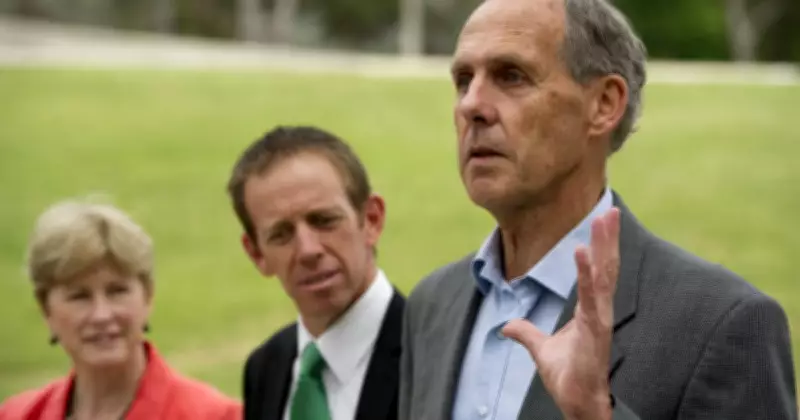
In a surprising turn of events, the ACT Greens have engaged in discussions with the Liberals, sparking both outrage and praise across the political spectrum. Former Greens leader Bob Brown has commended this move, labelling it as an act of political maturity rather than the "madness" or "lunacy" decried by some media outlets.
Brown argues that in an era dominated by manufactured division and hate politics, the willingness of Greens minister Shane Rattenbury to talk across party lines is outstanding. He draws parallels to historical collaborations, such as Labor and Liberals sharing wartime cabinet portfolios, emphasising that such dialogue serves the national interest.
Historical Precedents and Balance-of-Power Scenarios
Reflecting on his own leadership, Brown recalls engaging with both Labor and the Liberals during balance-of-power situations following close elections. After the 2010 federal election, talks with Julia Gillard led to significant gains, including a world-leading carbon trading scheme that reduced emissions and household power prices.

Similarly, Brown initiated discussions with Liberal leader Tony Abbott, despite Abbott's controversial stance on climate change. He notes that approximately 20 percent of Greens voters were former conservative supporters, highlighting that no harm comes from exploring governmental possibilities with the right side of politics.
Brown asserts that Rattenbury and the ACT Liberals have demonstrated commendable political maturity by discussing future governance options. He criticises the far-right commentariat for their reactionary stance and calls on the ACT Labor government to improve its operations.
Broader Concerns: Climate Change and Education Funding
The letters to the editor also touch on pressing issues beyond political dialogue. Roderick Holesgrove warns of impending catastrophe due to climate change, citing record heat days and insufficient global efforts. He condemns political figures who deny climate risks, echoing concerns about media complacency and public ignorance.
In education, Grant Battersby addresses the school funding gap, noting that public schools are funded at only 88 percent of the necessary level, while private schools exceed it at 104 percent. He argues that this disparity wastes economic and human potential, urging a return to needs-based funding as envisioned by the Gonski reforms.
Community Voices: From Recycling to Australia Day
Other contributors raise diverse community issues. Dick Roe questions the effectiveness of recycling schemes, while Penny Bowen suggests changing Australia Day to a date that better represents national unity, such as the signing of Aboriginal emancipation legislation.
Mario Stivala expresses sympathy for small businesses in Civic affected by ongoing light rail construction, proposing class action for compensation. These letters collectively underscore the multifaceted concerns of Canberrans, from environmental policies to local economic impacts.
Conclusion: A Call for Responsible Governance
Bob Brown's defence of cross-party talks serves as a reminder of the importance of political responsibility in a divided landscape. As debates over climate change, education, and community welfare continue, the need for mature dialogue and actionable solutions remains paramount for the ACT and beyond.