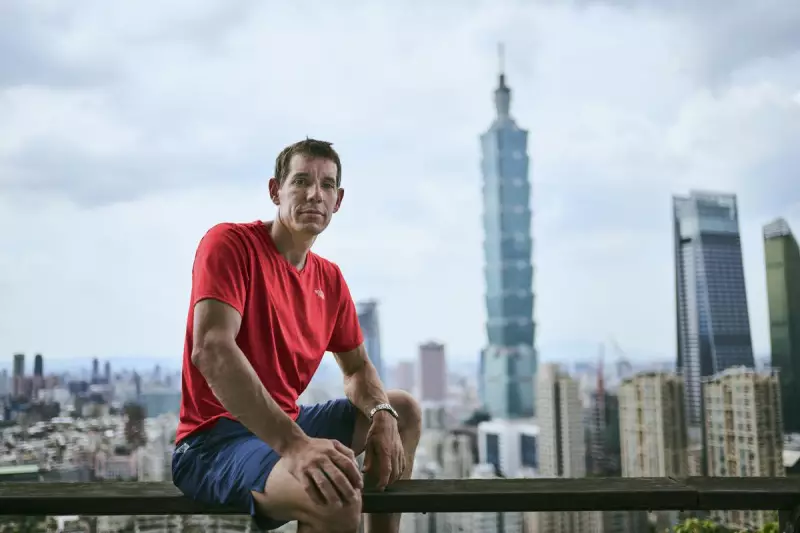
In a striking opinion piece, columnist Ben O'Shea draws a powerful comparison between the visceral fear of watching Alex Honnold's insane free solo climb and the deeper, more unsettling terror of America's current political landscape. While Honnold's death-defying ascent of El Capitan without ropes is a breathtaking spectacle of human极限, O'Shea contends it does not compare to the unfolding chaos gripping the United States.
The Thrill of the Climb Versus the Dread of Reality
O'Shea acknowledges that witnessing Honnold's climb is a terrifying experience, filled with edge-of-your-seat tension as the climber navigates sheer rock faces with no safety net. The physical risk and sheer audacity of the feat captivate audiences, offering a pure, adrenaline-fueled narrative of human achievement against nature. However, the columnist argues this fear is contained and temporary—once the climb ends, the tension dissipates, leaving viewers with a sense of awe rather than lasting unease.
America's Political Unrest: A More Profound Fear
In contrast, O'Shea highlights how America's political chaos represents a more insidious and widespread source of terror. He points to ongoing divisions, social unrest, and institutional instability that affect millions daily, creating an environment of uncertainty and anxiety. Unlike a controlled climb, this turmoil has real-world consequences for democracy, economy, and social cohesion, making it far more frightening in its scope and impact.

The piece suggests that while Honnold's climb is a masterclass in individual focus and skill, America's situation reflects collective failures and systemic issues. O'Shea uses this juxtaposition to critique the current state of American politics, implying that the real danger lies not in physical heights but in the erosion of societal foundations.
Why This Comparison Resonates
By framing the discussion around fear, O'Shea taps into universal emotions to make a pointed commentary. He notes that in an age of sensational media, it's easy to be captivated by extreme sports like free solo climbing, yet such distractions can obscure more pressing issues. The article encourages readers to look beyond thrilling spectacles and confront the unsettling realities of political instability.
Ultimately, O'Shea's analysis serves as a reminder that while human feats like Honnold's climb are impressive, they pale in comparison to the complex, ongoing challenges facing nations today. The piece leaves readers with a thought-provoking question: which is truly more terrifying—a controlled risk taken by one individual, or the uncontrolled chaos affecting an entire society?