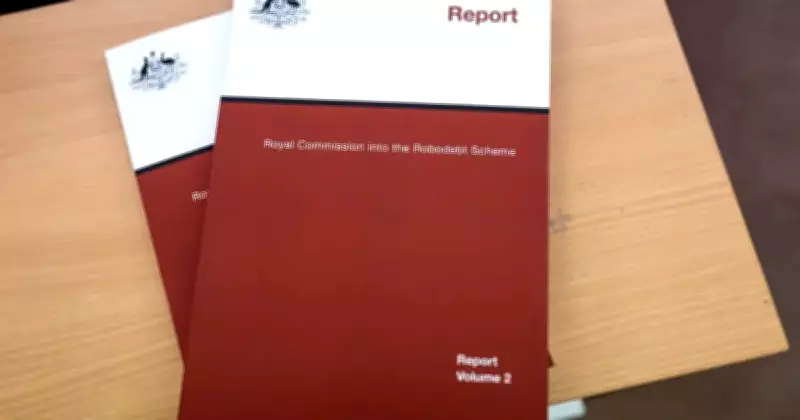
The National Anti-Corruption Commission (NACC) has issued a stern warning to public servants regarding the potential risks of budget cuts in the wake of the Robodebt scandal. Commissioner Kylie Kilgour emphasised that while financial constraints are a reality, they must not lead to unethical or unlawful practices.
Commissioner's Caution
Speaking at a public administration forum, Kilgour highlighted that the Robodebt scheme, which unlawfully sought to recover debts from welfare recipients, serves as a cautionary tale. She stressed that cutting corners in public service delivery can have severe consequences, both legally and for public trust.
"The Robodebt disaster shows what happens when efficiency measures override proper process and legal obligations," Kilgour said. "Public servants must remain vigilant and ensure that budget cuts do not compromise integrity."

Impact on Public Trust
The NACC chief noted that the scandal has already eroded trust in government institutions. She called for a culture of transparency and accountability, urging agencies to report any pressure to implement policies that may breach legal or ethical standards.
- Public servants should seek legal advice if uncertain about the legality of cost-saving measures.
- Whistleblower protections must be strengthened to encourage reporting of misconduct.
- Ongoing training on ethical decision-making is essential.
Budget Cuts and Efficiency
With the federal government facing fiscal pressures, agencies are being asked to find savings. However, Kilgour warned that cuts must be implemented carefully, without sacrificing due process. She pointed to the Robodebt scheme, where automated debt recovery processes were prioritised over manual verification, leading to widespread errors and legal challenges.
"Efficiency is important, but not at the expense of fairness and legality," she added. The NACC will continue to monitor agency practices and investigate any allegations of corruption or misconduct.
Recommendations for Reform
The commission has proposed several measures to prevent a repeat of the Robodebt scandal, including better oversight of automated systems, mandatory impact assessments for new policies, and a stronger focus on human rights in administrative decisions.
"We must learn from past mistakes," Kilgour concluded. "Public servants have a duty to uphold the law, even when resources are tight."