Australia Unites in Grief: National Day of Mourning for Bondi Attack Victims
Australia has bowed its head in collective mourning as the nation observed a solemn and poignant National Day of Remembrance for the fifteen victims tragically killed in the devastating Bondi Beach terror attack. The day was marked by heartfelt ceremonies, symbolic gestures, and a powerful call for national unity in the face of profound loss.
A Day of Solemn Reflection and Community Solidarity
A spectacular sunrise over the iconic Bondi Beach marked the beginning of a day dedicated to standing in solidarity with the Jewish community and all Australians affected by the tragedy. Across the country, flags flew at half-mast, including prominent landmarks such as the Sydney Harbour Bridge and Federal Parliament in Canberra, as a visible sign of national grief.
At 7:00 PM, Australians were invited to observe a minute of silence, with many lighting candles and placing them on their doorsteps or in front windows to honour the lives lost. This simple yet powerful act created a nationwide tapestry of light and remembrance.

Ceremonies of Light and Remembrance
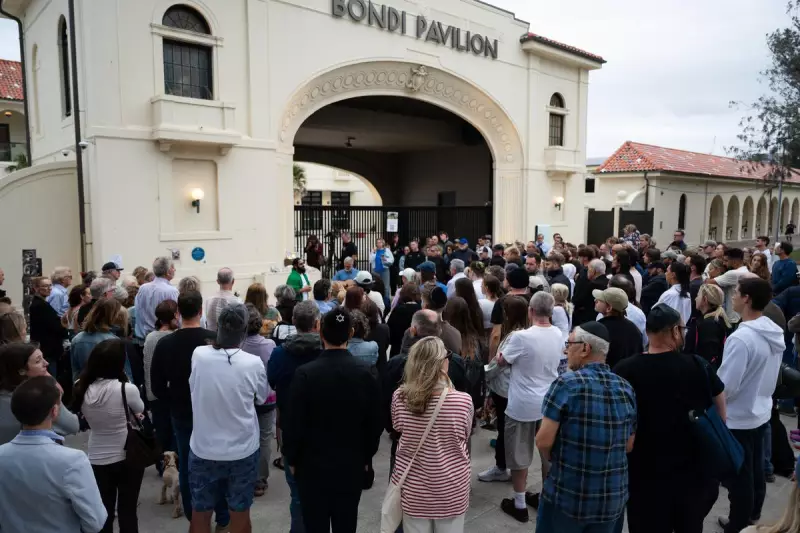
The Bondi Pavilion served as a focal point for mourning, hosting the first of fifteen pillars of light that beamed out across the country on Thursday evening. Each pillar represented one of the victims, creating a symbolic network of remembrance that connected communities from coast to coast.
At the Sydney Opera House, a deeply moving ceremony brought together families of the victims and emergency service workers whose lives were irrevocably changed by the attack. Fifteen candles were lit in memory of those who paid the ultimate price, casting a gentle glow against the backdrop of one of Australia's most recognisable landmarks.
Political Leadership and Calls for Unity
Prime Minister Anthony Albanese addressed the nation with a heartfelt apology and a powerful message of unity. "I am deeply and profoundly sorry that we could not protect your loved ones from his evil," the Prime Minister stated solemnly. He reflected on Bondi Beach as more than just a shoreline, describing it as "a part of our promise to the world. A welcoming embrace."
Albanese acknowledged the broken promise of safety while calling for Australians to stand together with care and compassion. "In their name, we will work to open all eyes to that light because that is the light that will win," he said, referencing Rabbi Ulman's description of the light each victim brought into the world.
Community Healing and Acts of Kindness
Jewish Care CEO Lawson Broad expressed cautious hope amid the tragedy, noting that the national response "gives me hope that the hole that has been torn in the fabric of our community can be repaired." This sentiment was echoed in community-led healing initiatives, including an appeal for five million mitzvahs—acts of kindness—to honour the victims and support recovery.
Rabbi Mendel Kastel, whose son narrowly escaped the attack but whose brother-in-law Rabbi Eli Schlanger did not survive, shared his family's harrowing experience. "For a little while, we couldn't find him," Kastel recalled of the terrifying moments when his thirteen-year-old son Yankee fled with cousins to safety. The community's response to the mitzvah campaign has been overwhelming, with Kastel noting, "They said, why five million mitzvahs? We can do much more than that."
Heightened Security and National Resolve
The commemorative events were conducted under significant security measures, reflecting the ongoing concerns following the attack. A large police presence included riot squad members with long-armed firearms, police snipers positioned on nearby buildings and even the sails of the Opera House, along with constant surveillance from police helicopters overhead.
Despite the heavy security, the day's focus remained firmly on remembrance and healing. A virtual condolence book has been established on the New South Wales government website, allowing Australians from all corners of the country to share their messages of support and sympathy.

As Australia continues to grapple with this national tragedy, the Day of Mourning served as both a tribute to those lost and a testament to the resilience and unity of the Australian spirit in times of profound adversity.