Search Begins for New Defence Secretary as Moriarty Prepares for US Ambassadorship
One of the most demanding positions within the entire federal public service has become available, with experienced diplomats and career public servants emerging as leading candidates to succeed Greg Moriarty as Australia's next Defence secretary.
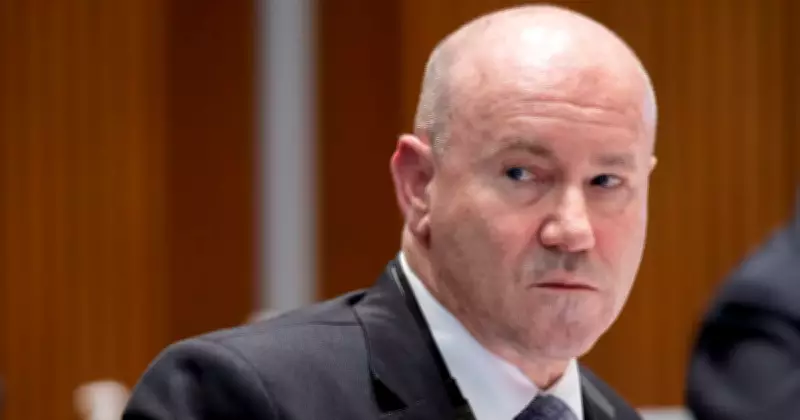
Mr Moriarty, who has led the Defence Department since 2017, is set to depart on April 1 following his recent appointment as Australia's next ambassador to the United States. Prime Minister Anthony Albanese's decision to select the highly respected former diplomat and national security veteran to replace Kevin Rudd has been widely praised as a sensible choice during a period of increasing turbulence in Washington DC.
Leading Contenders for the Crucial Defence Role
With the impending vacancy in this critical position, speculation has intensified regarding who the Albanese government will select to lead Australia's largest government department, which employs approximately 19,800 people.

Scott Dewar, Australia's current ambassador to China, has long been discussed as a frontrunner for the role. A former deputy secretary in the international and security division of the Department of Prime Minister and Cabinet, Mr Dewar previously served as director of the Australian Geospatial-Intelligence Organisation and played a significant part in developing the AUKUS security pact. His potential appointment would require the government to quickly find a replacement for the crucial diplomatic post in Beijing as Australia continues efforts to ease bilateral tensions with China.
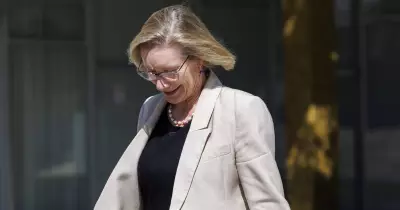
Cath Patterson, the current Defence associate secretary, has also been touted for the senior position. If selected, she would become the first woman to lead the Defence Department. Ms Patterson moved into Defence late last year after serving in senior roles within the Department of Home Affairs and PM&C. She previously worked as chief of staff to Peter Dutton during his tenure as health minister and had earlier served as deputy secretary in the Finance Department.
Additional Potential Candidates and Challenges Ahead
Other names circulating as potential contenders include outgoing ambassador to Japan Justin Hayhurst and former Services Australia CEO Rebecca Skinner. Ms Skinner previously served as associate Defence secretary and acted as Defence secretary during the devastating Black Summer bushfires of 2019-20.
Whoever assumes the role will face significant challenges, including overseeing the most substantial overhaul of Australia's defence administration in five decades. This reform aims to address budget and timeline blowouts affecting major procurement projects.
Former intelligence official Mike Hughes highlighted the complex environment awaiting the new Defence secretary, noting they would need to manage an 18-month transition to a new procurement agency while contending with rising expenditure pressures and an increasingly dangerous global security landscape.
"We now have our primary security guarantor, the United States, being unreliable with its allies and actually contributing to uncertainty and instability globally, whether through tariffs or discussions about territories like Greenland," Mr Hughes observed.
"You need someone who genuinely understands that external environment with all its layers, complexities, and nuances. I would suggest that not all of Australia's senior public servants currently operate effectively within that space."
The Defence Secretary position holds equal status to the Chief of the Defence Force, currently Vice-Admiral David Johnston, who is scheduled to depart when his two-year contract concludes mid-year.
The incoming secretary will need to demonstrate exceptional leadership capabilities to navigate both domestic administrative reforms and international security challenges during a period of significant geopolitical uncertainty.