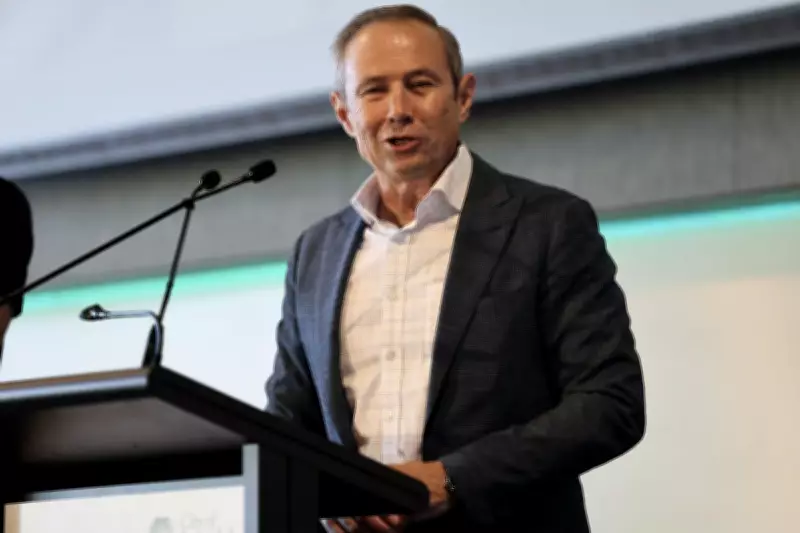
Western Australian Premier Roger Cook has publicly defended a significant surge in the state's public sector wage expenditure, which has reportedly increased by a substantial 50 per cent over the past five years. This sharp rise has drawn attention to the growing financial pressures on the state's budget and sparked debate over government spending priorities.
Defending the Wage Bill Increase
Premier Cook addressed concerns about the escalating costs, emphasising the critical role of the public sector in delivering essential services to the community. He pointed to several factors contributing to the wage growth, including increased demand for healthcare, education, and emergency services across Western Australia.
The Premier argued that competitive salaries are necessary to attract and retain skilled professionals in a tight labour market, particularly in key areas like nursing, teaching, and policing. He highlighted that without adequate remuneration, the state risks losing talent to the private sector or other jurisdictions, potentially compromising service quality.

Budgetary Implications and Economic Context
The 50 per cent increase in the public sector wage bill over five years represents a significant financial commitment for the WA government. This growth has occurred against a backdrop of economic fluctuations, including post-pandemic recovery efforts and ongoing challenges in sectors like mining and construction.
Analysts suggest that while wage increases can stimulate local economies through higher consumer spending, they also place pressure on state finances. The government must balance these expenditures with other budgetary priorities, such as infrastructure development and debt reduction.
Political and Public Reaction
The opposition and some taxpayer groups have criticised the wage bill surge, questioning its sustainability and impact on fiscal responsibility. They argue that such rapid growth could lead to higher taxes or reduced spending in other areas if not managed carefully.
However, public sector unions have welcomed the wage increases, noting that they help address cost-of-living pressures for workers and recognise their contributions during challenging times. The debate reflects broader tensions between maintaining quality public services and ensuring prudent financial management.
Looking Ahead: Future Wage Negotiations
As the government prepares for future wage negotiations, Premier Cook indicated that any further increases would need to be balanced with productivity gains and efficiency measures. He stressed the importance of ensuring that public funds are used effectively to deliver value for taxpayers.
The situation in Western Australia mirrors trends in other states, where public sector wage growth has become a focal point in budgetary discussions. How the Cook government navigates this issue could set precedents for industrial relations and fiscal policy in the years to come.