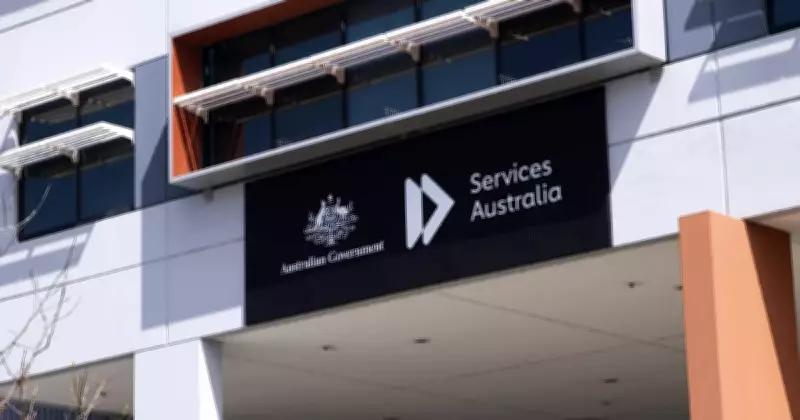
Services Australia Spends Over $200k on Airport Lounge Memberships
Services Australia has agreed to review its expenditure on airport lounge memberships after an audit revealed the agency spent more than $200,000 on lounge access for its staff over a three-year period. The spending showed a strong preference for Qantas, which accounted for nearly 70 per cent of the total outlay.
Audit Uncovers Spending and Compliance Issues
An audit released on Thursday detailed that the social services agency allocated hundreds of thousands of dollars towards airport lounge memberships and renewals between 2022 and 2025. During this period, Services Australia spent $163,375 on Qantas lounge memberships, including renewals, with an additional $37,047 directed to Virgin Australia lounge memberships.
The audit highlighted significant gaps in the agency's monitoring and documentation practices. Services Australia admitted it did not track whether staff were actually using the memberships to access airport lounges. Furthermore, the agency failed to monitor whether officials showed a preference for a specific airline or loyalty program when booking travel.

Approval Processes and Policy Violations
According to the audit, Services Australia frequently neglected to document employees' names and whether lounge membership purchases were for Senior Executive Service (SES) or non-SES staff. The agency's internal policy stipulates that airport lounge memberships for non-SES staff may only be purchased if a significant need for work-related travel is established, typically applying to a threshold of more than 10 trips per year.
Despite this policy, auditors found that fewer than 40 per cent of airport lounge memberships bought for non-SES staff included written approvals to justify their purpose. This lack of documentation raises questions about compliance and accountability within the agency's travel expenditure framework.
Justification and Operational Needs
Services Australia's general manager, Hank Jongen, defended the use of airport lounges, stating they are often necessary for staff to support the delivery of services in communities across the country, including regional and remote areas. He emphasised that lounge memberships are frequently utilised by senior executive staff who travel regularly to perform their roles and support their teams nationwide.
This helps staff work efficiently between flights, maintain secure access to ICT systems, and manage tight operational timeframes when delivering essential services across Australia, Jongen explained.
Broader Travel Expenditure and Government Scrutiny
The audit also revealed that Services Australia spent over $30 million on travel in the 2024-25 financial year. Domestic trips taken by agency staff averaged $1,700, while international trips cost an average of $12,500. These figures come as taxpayer-funded travel by politicians and bureaucrats faces increased scrutiny under the Albanese government's efforts to reduce the nearly $1 billion travel bill for public service agencies.
In response to the audit findings, Services Australia has agreed to update its travel compliance policy. The revisions aim to ensure that purchases of airline memberships are monitored to confirm they represent value for money. Additionally, the audit noted that senior staff declarations for gifted invitation-only memberships often exceeded a 28-day reporting rule, with an average reporting time of 42 days.
Industry Context and Government Preferences
Qantas is currently estimated to receive 80 per cent of domestic travel bookings from the federal government. The airline operates 40 lounges across Australia, compared to Virgin Australia's seven. In 2023, a scandal emerged regarding politicians and bureaucrats accepting invitations to join the exclusive Qantas Chairman's Lounge, amid allegations of the airline's influence on government decisions.
Non-exclusive Qantas Club lounge memberships generally cost around $799 for one year, while Virgin's memberships are priced at $450 annually, according to the airlines' websites. Recent tender guidelines issued by the Department of Finance have instructed airlines to block public servants' access to double status credits promotions, although government workers can still claim status credits on flights.

Overall, the audit concluded that Services Australia was largely effective in implementing controls and processes for travel in accordance with its policies and procedures. However, the identified gaps in monitoring and approval for lounge memberships underscore the need for enhanced oversight and transparency in public service spending.