The Australian government's latest push for AI-powered surveillance has sparked fierce debate, with critics warning it poses a grave threat to privacy and democratic values. The proposed policy, which would expand the use of facial recognition and predictive analytics by law enforcement, has been condemned by civil liberties groups as a step towards a surveillance state.
What the Policy Entails
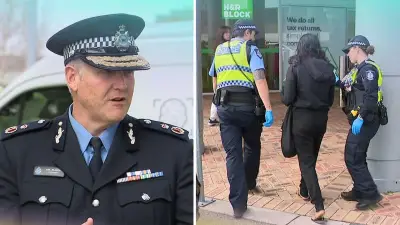
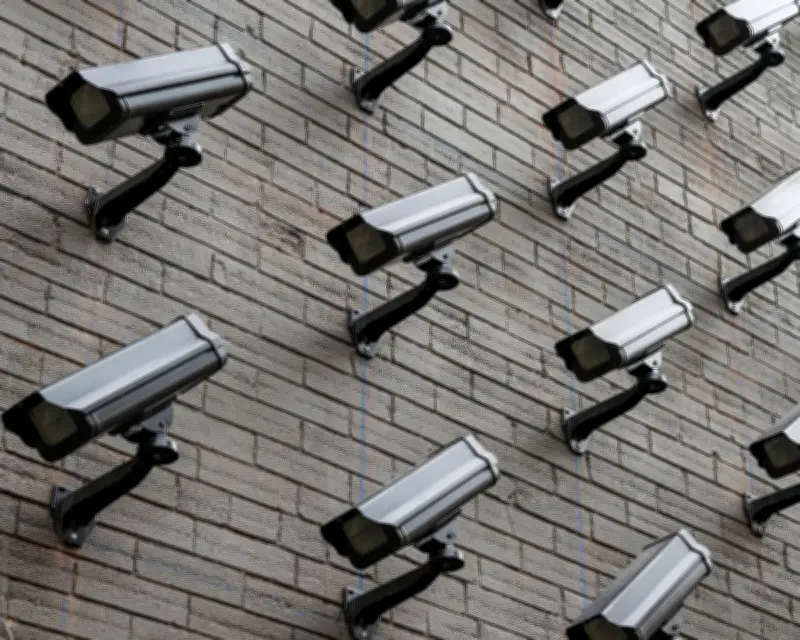
Under the new framework, police and intelligence agencies would gain broader access to AI tools for real-time monitoring of public spaces, including the use of drones and CCTV cameras equipped with facial recognition. The government argues this is necessary to combat terrorism and serious crime, but opponents say it goes too far.
According to a report from the Human Rights Law Centre, the policy lacks adequate safeguards and could lead to widespread abuse. 'This is a dangerous precedent that undermines the right to privacy and freedom of assembly,' said the centre's legal director.

Impact on Civil Liberties
Privacy advocates have raised alarm over the lack of transparency and oversight. The Australian Privacy Foundation noted that similar systems in other countries have been used to target minorities and suppress dissent. 'We are sleepwalking into a surveillance society,' said the foundation's chair.
A recent survey by the Australia Institute found that 68% of Australians are concerned about the expansion of AI surveillance, with 55% saying it would make them less likely to attend public protests. The figures underscore growing unease among citizens.
Political Reaction
The policy has divided politicians. While the government insists it is essential for national security, the opposition has called for a parliamentary inquiry. Shadow Attorney-General Mark Dreyfus said, 'We need to balance security with fundamental rights. This policy fails that test.'
Greens Senator Sarah Hanson-Young described the move as 'Orwellian' and vowed to fight it in the Senate. 'Australians deserve to live in a free society, not one where they are constantly watched,' she said.
Expert Opinions
Technology experts have also weighed in, questioning the effectiveness of AI surveillance. Dr. Kate Crawford, a leading AI researcher, warned that the technology is prone to bias and error. 'Facial recognition systems have been shown to misidentify people of colour at higher rates. This could lead to wrongful arrests and discrimination,' she said.
The government has promised to introduce a code of practice and independent oversight, but critics remain sceptical. 'Without strong legal safeguards, these measures will be used to monitor and control the population, not just criminals,' said the Australian Council for Civil Liberties.
Conclusion
The debate over AI surveillance highlights the tension between security and freedom. As the government pushes ahead, the onus is on lawmakers and the public to ensure that new technologies do not come at the cost of the very values they aim to protect.