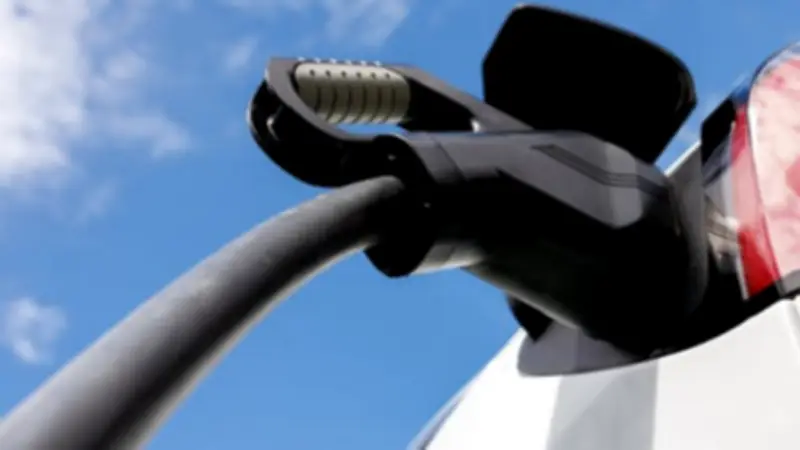
Australia's electric vehicle (EV) charger network is growing rapidly but remains fragmented and incomplete, with no single authority responsible for its rollout. This lack of coordination is hindering the transition to EVs, even as battery electric vehicles now account for 23% of new car sales in Australia, according to recent data.
Current State of the Charging Network
As of early July 2026, Australia has 1,316 public charging sites with over 4,000 charging ports. Of these, 54% are DC fast chargers rated at 50 kilowatts or more. While 88% of Australians live within 5 kilometres of a charger, the network is heavily concentrated in major cities and along coastal routes, leaving significant gaps in regional and inland areas.
Drivers on longer trips often face frustration due to different providers, types of chargers, network gaps, and reliability issues. Unlike petrol stations, the public fast charging network is not yet seamless or straightforward.

Who Owns and Operates the Network?
The public charging network is divided among competing commercial operators. Chargefox, owned by motorist clubs such as NRMA, bundles hundreds of operators into one app. Evie focuses on DC fast-charging, while Tesla's Supercharger Network is available to Tesla drivers and some non-Tesla users. Service station chains like BP and Ampol have added chargers, while Jolt and Exploren provide urban solutions, and EVX installs kerbside and pole-mounted AC chargers.
This competition has driven private investment and innovation but also creates fragmentation. Many drivers must set up multiple apps to access different networks. A recent analysis found that Chargefox operates 83% of all public chargers in Tasmania and 58% in Western Australia, creating a vulnerability where a single network outage could affect an entire state.
Oversight and Coordination Gaps
No single authority is in charge of the EV charger rollout. Responsibility is shared among the Australian government (national policy and funding for strategic corridors), states and territories (standards and regional charging), local councils (location identification and trials), electricity distributors (network connections), and private companies (investment and operation). The Australian Energy Regulator and Australian Energy Market Commission oversee energy rules.
This shared responsibility has allowed rapid growth but lacks coherence. The upside is competition, private investment, and consumer choice. The downside is no entity ensures the entire network works seamlessly, leading to interoperability issues and reliability concerns.
Future of Public Charging
Australia's future charging network is unlikely to resemble today's petrol station model. Instead, home charging will remain cheapest and most convenient for many, while kerbside charging will become crucial for apartment residents and renters. Destination charging at shopping centres, workplaces, and transport hubs will allow charging during daily activities, and fast highway chargers will support long-distance travel.
International Examples
Other countries have progressed faster with more coordinated approaches. The Netherlands has around 210,000 charging points, mainly slow kerbside chargers, treating public charging as essential infrastructure because 70% of households lack off-street parking. Norway has laws granting residents the right to install a charging point at their parking space, relying heavily on home charging with only about 10,700 public fast chargers. China leads with approximately 4.8 million public chargers and is pioneering megawatt chargers for electric trucks.
Building Smarter: The Need for Coordination
While new technologies like China's megawatt "flash" chargers that add 400km of range in five minutes are impressive, they do not solve the core issue for apartment residents unable to charge near home. Fixing fragmentation is essential. There is a strong case for introducing a coordinating authority that can set rules to make the network seamless for drivers.

Such an authority could unlock interoperability, allowing one app or card to work across all networks, transparent and comparable pricing, minimum reliability standards, and open real-time data on charger locations and status. Competition can build the network, but coordination makes it usable. A public charger is not like a petrol pump; it is closer to a parking space or bus stop—everyday urban infrastructure. Done right, it becomes invisible: park, plug in, and walk away.