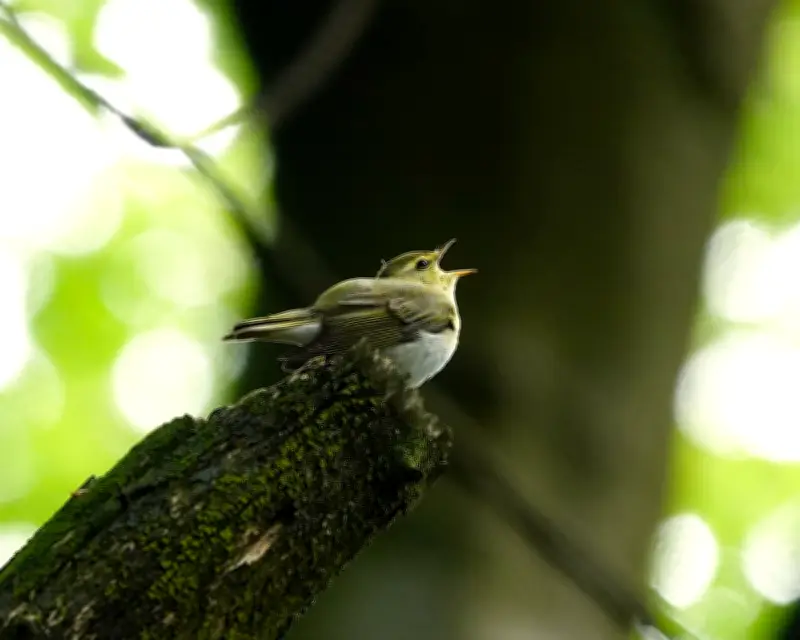
Wood Warblers Return to UK Woodlands
After years of decline, wood warblers are returning to some UK woodlands this spring, but birdwatchers and conservationists describe the comeback as bittersweet. The species, known for its distinctive trilling song, has suffered significant population losses due to habitat destruction and climate change.
Population Decline and Slight Recovery
According to the British Trust for Ornithology, wood warbler numbers have fallen by 65% since 1995. However, recent surveys show a modest 10% increase in some areas, particularly in the Welsh oak woodlands and parts of Scotland. Experts attribute this to targeted conservation efforts and a series of mild winters.
Climate Change Threatens Long-Term Survival
Despite the short-term uptick, scientists warn that climate change poses a severe threat. Warmer springs are causing insect prey to emerge earlier, creating a mismatch with the birds' breeding cycle. Dr. Hannah Peck, an ornithologist at the University of Cambridge, says, 'The return of wood warblers is a hopeful sign, but we cannot ignore the underlying pressures. Their long-term survival depends on our ability to mitigate climate change and restore woodland habitats.'

Conservation Efforts and Habitat Restoration
Conservation groups like the Woodland Trust are working to restore native woodlands, planting trees and managing forests to create suitable conditions for wood warblers. These efforts have helped stabilize populations in key areas, but the species remains on the UK's Red List of birds of conservation concern.
Bittersweet Return for Birdwatchers
For birdwatchers, the return of wood warblers is a poignant moment. 'Hearing that song again is magical, but it also reminds us of what we've lost and what we still stand to lose,' says local naturalist Mark Cocker. The species' future remains uncertain, hinging on global climate action and continued habitat protection.