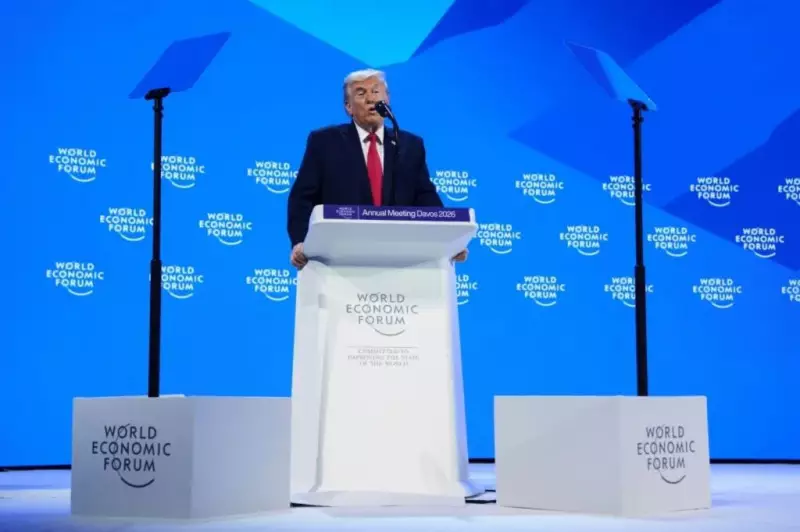
In a surprising development at the World Economic Forum in Davos, former United States President Donald Trump has once again brought his long-standing ambition to purchase Greenland into the global spotlight. The proposal, which first emerged during his presidency, has resurfaced amid discussions on Arctic resources and strategic interests, sparking renewed debate and diplomatic unease.
Geopolitical Implications of the Proposal
The revival of Trump's Greenland purchase plan at Davos 2026 highlights the ongoing geopolitical significance of the Arctic region. Greenland, as an autonomous territory of Denmark, holds vast natural resources and strategic military value, making it a focal point for international power dynamics. Trump's renewed interest underscores the persistent tensions between economic ambitions and national sovereignty in this remote yet crucial area.
Reactions from Global Leaders
Responses to Trump's proposal at Davos have been mixed, with some leaders expressing concern over the potential disruption to Arctic stability. Danish officials have reiterated their firm stance against any sale, emphasising Greenland's integral role within the Kingdom of Denmark. Meanwhile, other nations with Arctic interests, such as Russia and Canada, are closely monitoring the situation, wary of shifts in regional influence.

Economic and Environmental Considerations
Beyond politics, the Greenland purchase idea touches on broader economic and environmental issues. The territory's untapped mineral deposits and melting ice caps due to climate change present both opportunities and challenges. Trump's push at Davos reflects a continued focus on resource extraction, but it also raises questions about sustainable development and indigenous rights in Greenland.
Historical Context and Future Outlook
This is not the first time Trump has advocated for acquiring Greenland; previous attempts were met with swift rejection and public ridicule. However, its re-emergence at a high-profile forum like Davos suggests it may remain a persistent theme in global discourse. As Arctic competition intensifies, such proposals could influence future policies on trade, security, and environmental protection in the region.