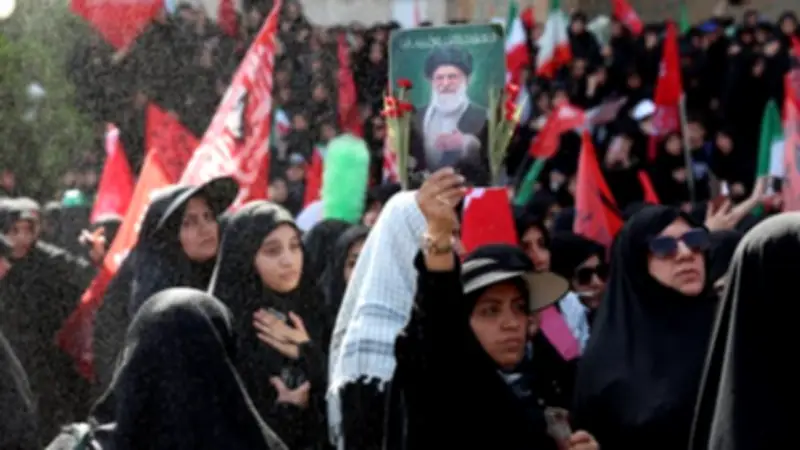
In a striking juxtaposition, the Islamic Republic of Iran buried its slain supreme leader, Ayatollah Ali Khamenei, in the same week the United States celebrated its 250th Independence Day. Both nations used the occasions to claim victory in a conflict that culminated in a fragile 60-day ceasefire, now the basis for negotiating a final deal.
Khamenei's Delayed Burial
Khamenei was deliberately killed in a US-Israeli bombing on February 28, the first day of the war. Islamic tradition requires burial within a brief period, but his body was preserved for over four months due to ongoing US-Israeli bombardment, which prevented large gatherings. An intermittent ceasefire on April 8 offered an opportunity, but Iran postponed the funeral until this week, coinciding with America's grand celebration.
The timing may be intentional. Iran's post-Khamenei leaders, including his son Mujtaba (reportedly wounded in the attack), have been aware of US President Donald Trump's plans for the jubilee. Trump has used the celebration to declare total victory over Iran.

Iran's Choreographed Mourning
Tehran organized the burial to surpass US festivities, with mass participation and foreign dignitaries from friendly nations. The event honored Khamenei's four decades of rule as a marja, or source of emulation in Shia Islam. It also conveyed key messages: the Islamic government has survived the war more united and stronger; it is not as isolated as enemies claim; it remains resilient against internal strife and foreign aggression; and it can confront adversaries victoriously.
The massive turnout surprised even Trump, who admitted he thought people hated the supreme leader. Khamenei will now be enshrined as an exceptional religious and political leader who built a defensible Islamic Republic.
Need for Reform
Despite the regime's entrenchment, there is urgent need for structural reformation. Citizens' demands for political and social freedoms and better living conditions persist beneath the surface. Uncertainty looms over US-Iran negotiations and Iran's political and economic trajectory. A lasting settlement could resolve disputes over Iran's nuclear program, the Strait of Hormuz, and Israeli occupation of southern Lebanon, along with sanctions relief and economic reintegration.
President Masoud Pezeshkian and National Assembly Speaker Bagher Ghalibaf have indicated a desire for change. However, the Islamic Revolutionary Guard Corps (IRGC), which controls the Strait of Hormuz as a war product, holds extra veto power.
Consequential Deal Ahead
For now, both Tehran and Washington claim victory. But the deal they may or may not reach in coming weeks will be hugely consequential for both sides and the world.