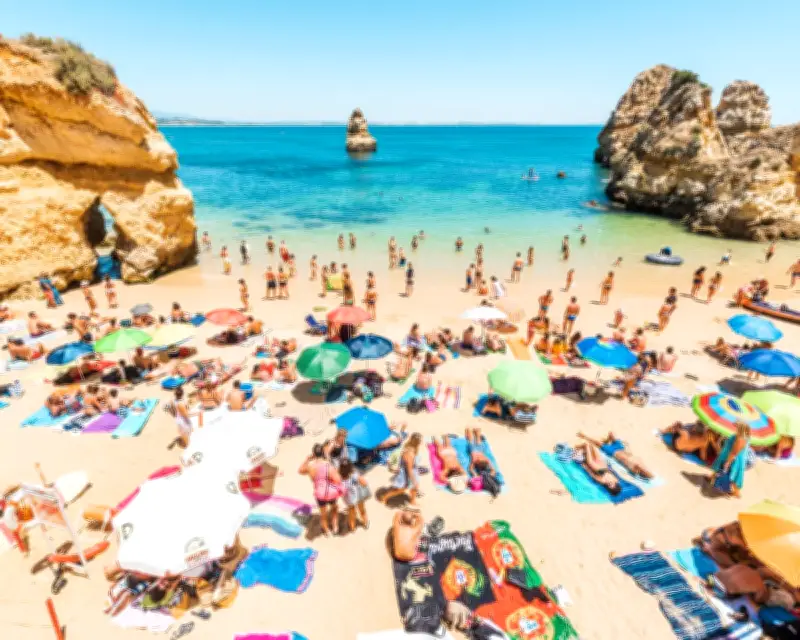
The fight over beaches and tourist crowds in Europe has been misdirected. The real villain behind overtourism is not the individual traveler seeking sun and sand, but the corporate interests that have turned tourism into a mass-market commodity. According to a recent analysis, the tourism industry's growth has been fueled by large corporations that prioritize profits over sustainability and local well-being.
The Corporate Machine Behind Mass Tourism
Big businesses, including airlines, hotel chains, and cruise companies, have aggressively expanded their operations, flooding popular destinations with tourists. These corporations benefit from economies of scale, often at the expense of local communities and the environment. For example, low-cost carriers and mega-cruise ships bring thousands of visitors to small towns, overwhelming infrastructure and driving up costs for residents.
According to the European Travel Commission, tourist numbers in popular hotspots have surged by over 30% in the past decade, with a significant portion attributed to corporate marketing and package deals. This has led to protests in cities like Barcelona, Venice, and Amsterdam, where locals demand limits on tourism.

Misplaced Blame on Travelers
While tourists are often blamed for overcrowding and environmental damage, it is the corporate decisions that shape their behavior. Advertising campaigns and cheap flights encourage mass travel, while governments fail to regulate the industry effectively. A recent report from the World Tourism Organization highlights that the tourism sector's carbon footprint is largely driven by long-haul flights and cruise ships, both dominated by big corporations.
"The focus on individual tourists distracts from the systemic issues created by big business," said Dr. Elena Martinez, a tourism researcher at the University of Barcelona. "We need to hold corporations accountable for their role in overtourism."
Solutions for Sustainable Tourism
Addressing overtourism requires targeting corporate practices. Measures such as taxing aviation fuel, limiting cruise ship access, and promoting off-season travel can reduce pressure on hotspots. Local communities are calling for stricter regulations on short-term rentals and better distribution of tourist flows. Some destinations have already implemented caps on visitor numbers and increased fees for commercial operators.
The debate over beaches and tourists misses the bigger picture. Overtourism is a symptom of an economic system that prioritizes growth over sustainability. By shifting the blame from individual travelers to corporate entities, we can begin to implement meaningful change.