Middle East Conflict Enters Second Month with Escalating Regional and Global Impact
The ongoing war in the Middle East has now reached its second month, with the conflict dramatically escalating and spreading to Europe following a series of devastating air strikes conducted by the United States and Israel against Iran. These coordinated military actions, officially designated as Operation Epic Fury, resulted in the death of Ayatollah Ali Khamenei, Iran's supreme leader, along with several other senior Iranian officials and military commanders.
Operation Epic Fury Sends Shockwaves Through Global Markets and Trade Routes
The execution of Operation Epic Fury has sent profound shockwaves through multiple critical sectors worldwide, including international shipping, air travel, and the global oil industry. Energy costs are rising sharply as a direct consequence of the military operations, which have caused significant disruption to business activities and commercial traffic in the strategically vital waterway regions. These areas serve as essential global trade hubs, and the ongoing hostilities are severely impacting the flow of goods and resources across continents.
The economic ramifications are becoming increasingly severe, with analysts warning of potential long-term instability in energy markets and international supply chains. The disruption is not confined to the Middle East; European nations are now experiencing the spillover effects, as the conflict's geopolitical tensions intensify and threaten to draw in additional international actors.

Australian SAS Troops Deployed to the Region Amid Escalating Tensions
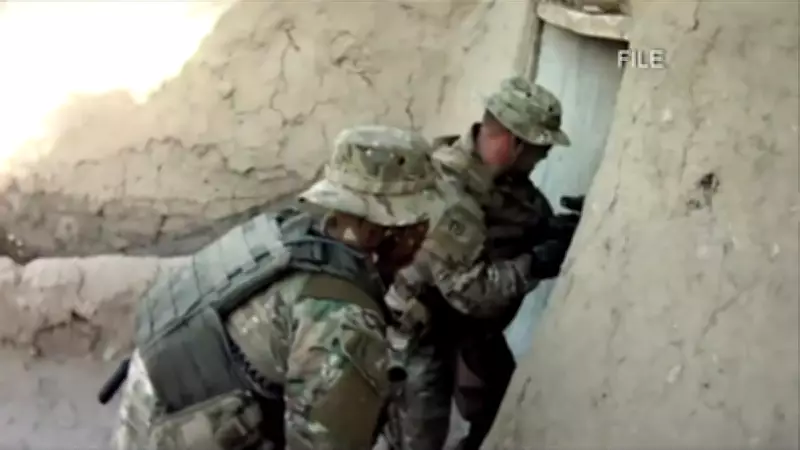
In a significant development, it has been reported that Australia has quietly deployed a contingent of elite Special Air Service (SAS) troops to the Middle East. An elite group comprising approximately 90 highly trained SAS soldiers has been sent to the region, positioned to respond should the war escalate further into a broader regional or international confrontation.
According to official understandings, these Australian troops will not be involved in any offensive attacks led by the United States or allied forces. Instead, their primary mission is believed to be focused on contingency planning and emergency evacuation procedures. Specifically, the SAS unit is tasked with ensuring the safe evacuation of Australian diplomats and other personnel in the event of a sudden emergency or a rapid deterioration of the security situation on the ground.
This deployment follows the earlier movement of United States military forces, including the dispatch of 5,000 marines to the region. These American troops are reportedly preparing for a potential ground invasion of Gulf Island nations, indicating a possible expansion of conventional military operations beyond the current aerial campaign.
The presence of Australian special forces underscores the growing international concern over the conflict's trajectory and the potential for further escalation. As the war enters its second month, the combination of high-profile targeted strikes, market disruptions, and strategic troop deployments points to a prolonged and complex geopolitical crisis with far-reaching consequences.