
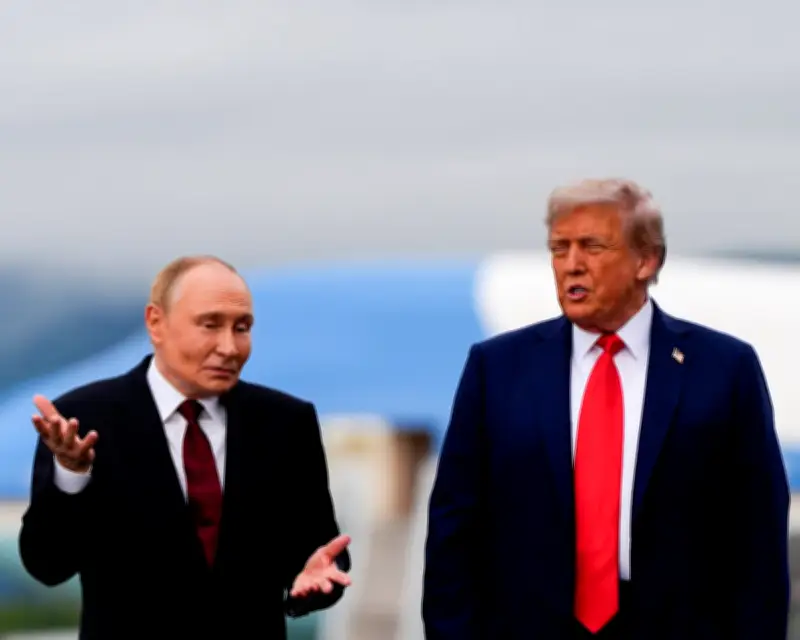
Former US President Donald Trump repositioned himself as a peacemaker in the Ukraine war during a lengthy phone call with Russian President Vladimir Putin, according to sources familiar with the conversation. The call, which lasted over an hour, focused on potential ceasefire terms and a possible diplomatic resolution to the conflict that has raged since February 2022.
Key Details of the Call
The discussion, which took place on July 4, marks the first publicly known direct communication between Trump and Putin since the former left office in 2021. Sources indicate that Trump proposed a framework for an immediate ceasefire along current front lines, with demilitarized zones and international monitoring. Putin reportedly expressed cautious interest but reiterated Russia's core demands, including recognition of annexed territories and Ukraine's neutral status.
Trump's team later released a statement saying the call was "constructive" and that Trump "reiterated his commitment to ending the bloodshed and saving lives." The Kremlin confirmed the call, stating that Putin "emphasized the need for a comprehensive settlement addressing Russia's security concerns."

Political Implications
The outreach comes as Trump ramps up his 2028 presidential campaign, seeking to differentiate himself from current US policy. President Joe Biden's administration has maintained a strategy of arming Ukraine and imposing sanctions on Russia, a stance Trump has criticized as prolonging the war. "Trump sees himself as the only one who can broker peace," said a senior campaign adviser who spoke on condition of anonymity. "This call is a signal to voters that he can deliver results where Biden has failed."
Political analysts note that Trump's peacemaker role carries risks. "Any perceived concessions to Putin could alienate hawkish Republicans and NATO allies," said Dr. Elena Petrova, a foreign policy expert at the Atlantic Council. "But if he can claim progress, it could be a powerful campaign tool."
Reactions from Ukraine and Allies
Ukrainian President Volodymyr Zelenskyy was briefed on the call by US officials but has not publicly commented. A Ukrainian presidential adviser said, "Any peace plan must be based on Ukraine's sovereignty and territorial integrity. We will not accept any deal made behind our backs." European leaders expressed concern, with a German foreign ministry spokesperson stating, "Any negotiation without Ukraine's full participation is unacceptable."
NATO Secretary General Jens Stoltenberg emphasized that the alliance remains united in supporting Ukraine. "We welcome any genuine effort to end the war, but it must not reward aggression or undermine Ukraine's right to self-defense," he said.
What Happens Next
Trump has indicated he plans to follow up with Zelenskyy in the coming days. His campaign has floated the idea of a summit in a neutral country, possibly Switzerland or Turkey, to discuss terms. However, significant hurdles remain. Russia has escalated attacks in eastern Ukraine in recent weeks, and Ukraine has launched counteroffensives in the south. The Biden administration has dismissed Trump's initiative, with a National Security Council spokesperson saying, "We will not outsource US foreign policy to a private citizen, especially one who has shown a pattern of cozying up to autocrats."
As the 2028 election approaches, the Ukraine war is likely to remain a central issue, with Trump betting that his deal-making reputation will resonate with war-weary voters. Whether his peace push gains traction will depend on whether both Kyiv and Moscow see a negotiated settlement as preferable to continued fighting.